












Application Areas
Office desks, bedroom furniture, TV installations and industrial work surfaces place different demands on a motion system. Start with the intended use, available space and moving load. Explore the application guides to connect those requirements with standing desk frames, adjustable bed bases, TV lifts and lifting components.
Application first
One motion platform. Three very different environments.
The same lifting technology becomes a different product at a desk, in a living room and on a factory floor. NATE develops lifting columns, desk frames, controls and complete motion products around the environments below — so the brief defines the system, never the other way round.
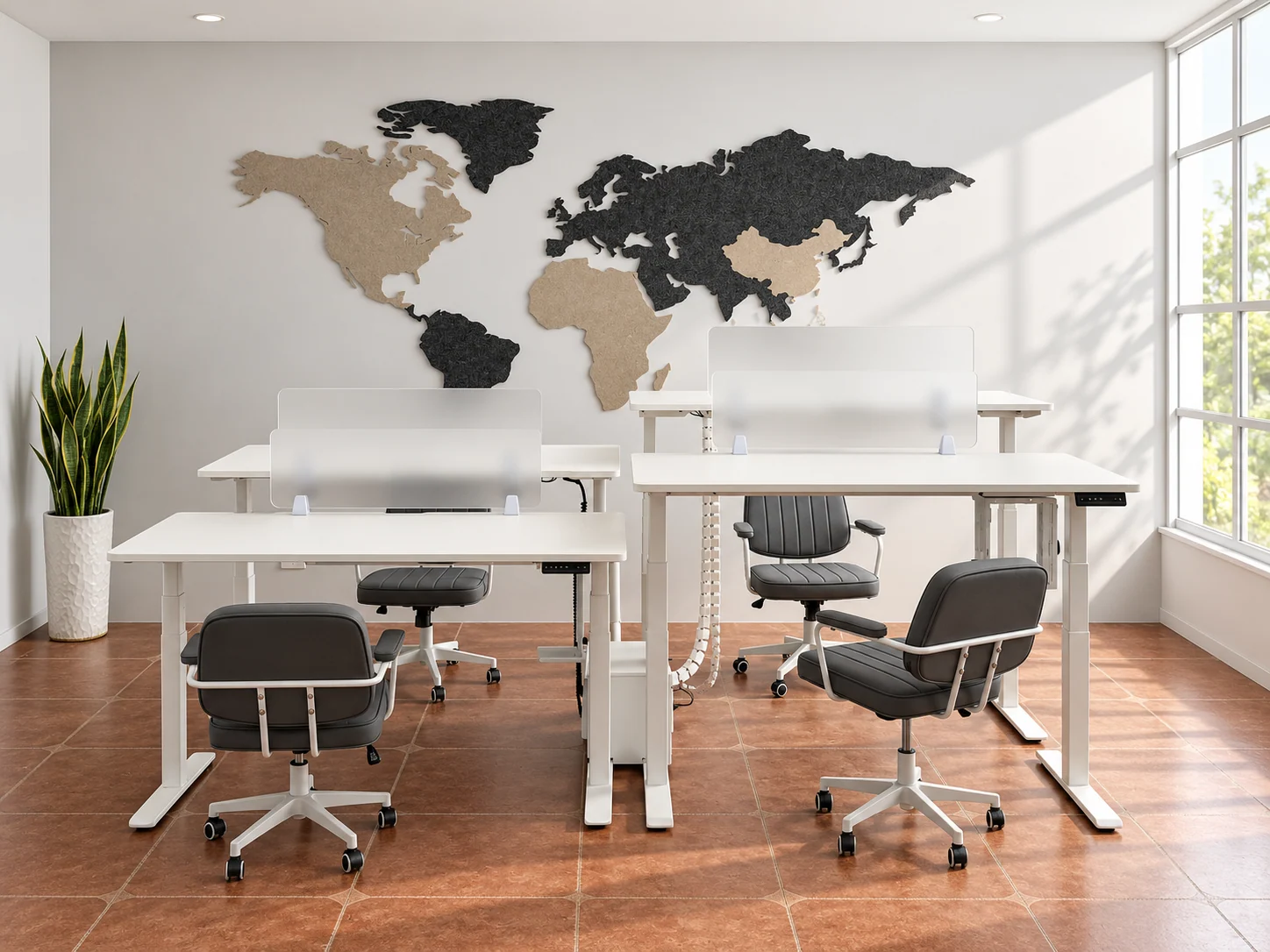
Office & workspaces
Adjustment that belongs in the working day.
Sit–stand desk systems for individual focus work, shared benching and project furniture — built around ergonomic posture change, quiet operation and fleet-level consistency.
Standing desk frames · Controls · Control boxes Explore this field →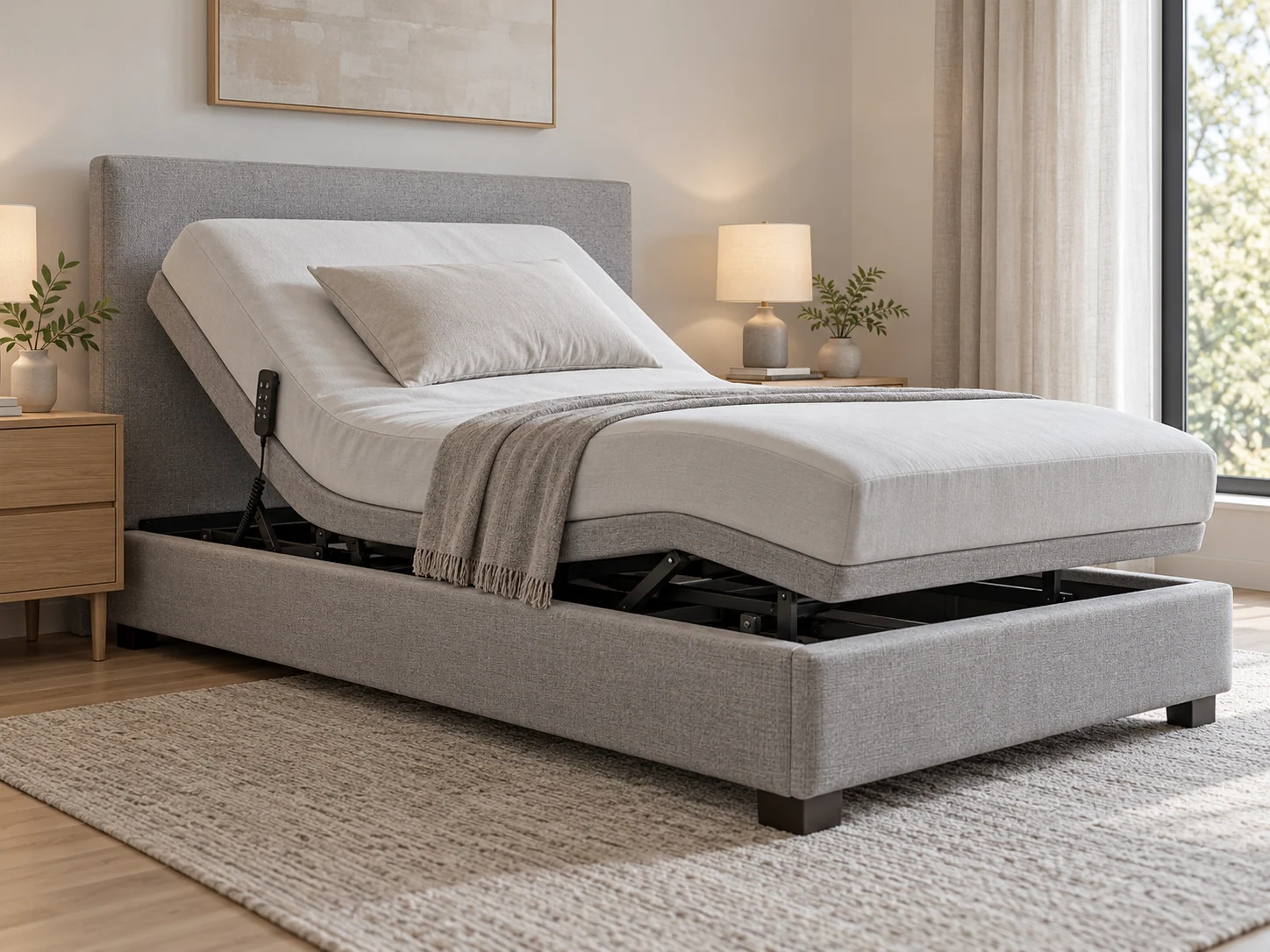
Home & care
Quiet movement, domestic presence.
Motion for home offices, living furniture and care-oriented beds — predictable, reachable control and a form that disappears into the room.
Electric beds · TV lifts · Lifting columns Explore this field →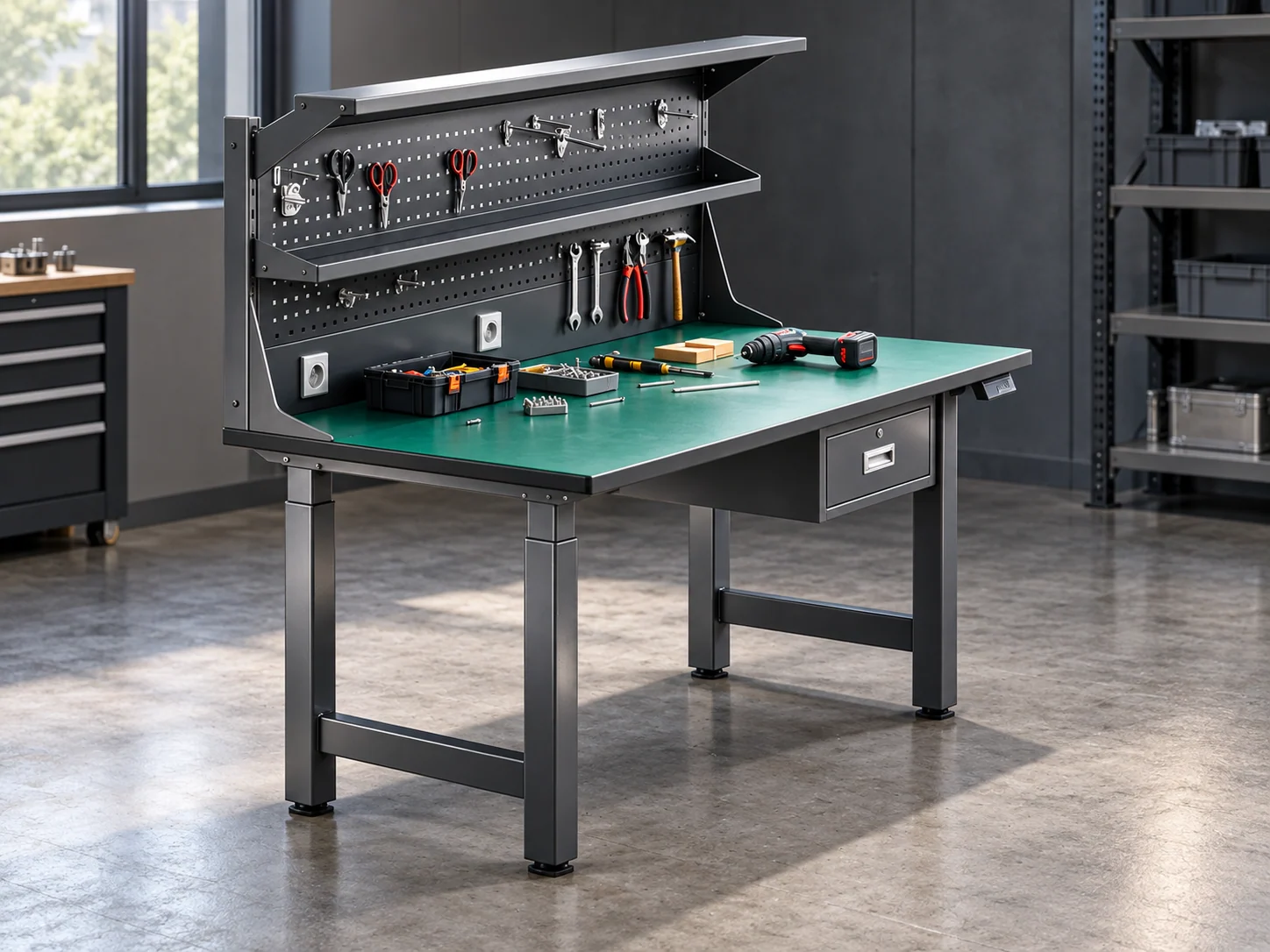
Industrial solutions
Working height as a process parameter.
Height-adjustable workstations and technical platforms where position, load and duty cycle are engineered alongside tools, material flow and the operators around them.
Lifting columns · Control boxes · Accessories Explore this field →Selection path
From environment to configuration in four steps.
The sequence keeps product selection tied to the real use case — and gives the first project conversation a clear agenda.
-
Start with the environment
Space, users, duty pattern and integration points define the brief before any component is discussed.
-
Define the movement
Travel range, load, speed, noise expectations and stop behaviour set the system boundary.
-
Choose the product route
Complete product, configurable frame set or component-level integration — each field maps to a clear route.
-
Verify in context
Configuration, finish and documentation are reviewed against the real installation before release.
Product system
Seven product families cover the movement behind every field.
Each family is a starting point. The final configuration always follows the application review.
Start with the brief
Bring the application. We will map the movement.
Share the environment, the expected adjustment and the target market — the first answer will already name a product route.